

Understanding Interpol Yellow Notices: A Comprehensive Guide
An Interpol Yellow Notice is a critical tool used by law enforcement agencies around the world to locate missing persons, often minors, or to identify persons who are unable to identify themselves. This article delves into the details of Yellow Notices, how they function, and their significance in the realm of international law enforcement.

What is an Interpol Yellow Notice?
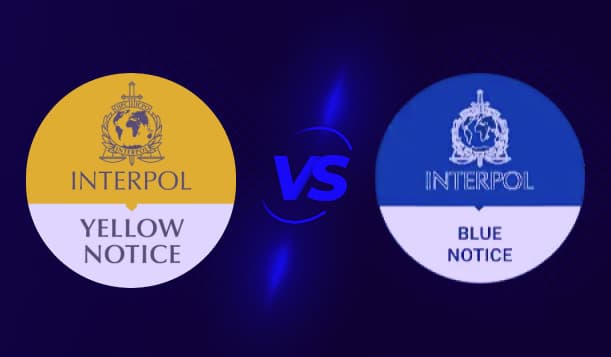
An Interpol Yellow Notice is a type of international wanted notice issued by Interpol, the International Criminal Police Organization. Unlike other notices that are primarily aimed at apprehending fugitives or locating wanted individuals, the Yellow Notice serves a different purpose. It is primarily issued for the identification of missing persons, particularly children or individuals who cannot identify themselves due to various circumstances, such as mental incapacity or amnesia.
The Purpose of Yellow Notices
The primary purpose of a Yellow Notice is to aid in the location and identification of missing persons. This can include cases of abductions, disappearances, or individuals found wandering without identification. The notice facilitates international cooperation among police agencies to share critical information that could lead to the swift resolution of such cases.
Key Features of a Yellow Notice
Yellow Notices contain essential information that can assist law enforcement in their search efforts. This information usually includes:
- Name: The full name of the missing person.
- Physical Description: Details about the individual’s appearance, including age, height, weight, and distinguishing features.
- Last Known Location: The last place the person was seen or any relevant location information.
- Photograph: A current photograph of the individual to aid in recognition.
- Additional Data: Any other significant information, such as possible clothing, languages spoken, or medical conditions.
How is a Yellow Notice Issued?
The process of issuing a Yellow Notice typically begins with a national police agency notifying Interpol of a missing person case. This can be initiated by the family of the missing person or by police investigations. Once the notice is filed, Interpol disseminates the information to its member countries, allowing them to take action based on the details provided.
The Role of Interpol in Yellow Notices
Interpol plays a vital role in managing Yellow Notices. It acts as a coordinating agency that connects law enforcement agencies internationally. Interpol does not conduct investigations; instead, it provides a platform for countries to collaborate and share critical information quickly.
Implications for Law Enforcement Agencies
For law enforcement agencies, receiving a Yellow Notice can be a crucial lifeline in ongoing investigations. It increases the chances of recovering missing persons by spreading awareness quickly across borders. Additionally, Yellow Notices help standardize the process for handling missing person cases, ensuring that agencies are equipped with the necessary information to act efficiently.
Success Stories
There have been numerous success stories associated with Yellow Notices. These narratives often illustrate how international collaboration can lead to the timely recovery of missing persons. Cases involving abductions that cross international borders highlight the efficacy of Yellow Notices, as they allow police forces to work together seamlessly.
Challenges Faced
Despite the benefits of Yellow Notices, challenges persist. Language barriers, differences in law enforcement protocols, and varying levels of commitment among member states can hinder the effectiveness of the notices. Additionally, not all missing person cases may receive the urgent attention they require, leading to delays that can have severe consequences.
The Future of Yellow Notices
As technology advances, the potential for Yellow Notices to evolve grows. The integration of new technology—including social media, mobile applications, and improved data-sharing systems—promises to enhance the speed and efficiency of distributing and responding to Yellow Notices. Ongoing training for law enforcement agencies is also crucial in ensuring that international cooperation continues to improve.
Conclusion
Interpol Yellow Notices are invaluable tools in the global effort to locate and identify missing persons. They represent the power of international cooperation in law enforcement and the commitment to protecting vulnerable populations. As we move into the future, continuing to refine and enhance the processes surrounding Yellow Notices will be essential for improving outcomes in missing person cases worldwide.